Best time to visit — month-by-month for weather and crowds
Quick answer: The best times to visit SHIBUYA STREAM HOTEL for mild weather and lower crowds are late October through November and late March to early April for autumn foliage and cherry blossoms, respectively. Expect wet, humid conditions in June and early July (rainy season) and a higher risk of storms in September.
In this guide
- January–February: Winter — crisp, quieter stays
- March–April: Cherry blossom season — busy but iconic
- May: Late spring — pleasant and less crowded than cherry season
- June–mid July: Rainy season (Tsuyu) — wet and humid
- August: Summer heat — hot, humid, steady city energy
- September–November: Typhoon risk to autumn foliage — best overall in Oct–Nov
- December: Holiday lights and quieter pockets
January–February: Winter — crisp, quieter stays
Tokyo's winter is cold and dry; mornings and evenings can feel brisk but daylight is usually clear. These months are generally a low season for visitors, so hotel rates and crowding around major sights tend to be lower.
If you prefer fewer people at attractions like Shibuya Crossing or Shibuya Sky, January and February are good choices. Note that daylight hours are shorter, so outdoor sightseeing may feel compressed.
- Weather: cold and dry, clear days common
- Crowds: lower — easier access to popular spots
- Hotel convenience: direct sheltered access to Shibuya Station useful in colder weather
| Good for | Why |
|---|---|
| Budget-minded travelers | Lower crowd levels and off-peak rates |
| Sightseeing without long lines | Shorter lines at museums and observation decks |
| Urban walks in crisp air | Clear views on many days |
March–April: Cherry blossom season — busy but iconic
Late March into early April is when cherry blossoms typically bloom in Tokyo; first blooms often start around March 21–22 with full bloom about a week later. This period brings higher visitor numbers to view blossoms and to popular Shibuya-area spots.
Expect rising crowds and higher demand for hotels during full-bloom windows; if you want to experience sakura without the busiest days, aim for the edges of the bloom window or book well in advance.
- Weather: mild and warming
- Crowds: peak around full bloom days
- Hotel tip: plan reservations early for stays during expected full-bloom week
| Timing | Notes |
|---|---|
| First bloom (approx.) | Around March 21–22 |
| Full bloom | Usually about a week after first bloom |
| Crowd level | High at popular viewing spots |
May: Late spring — pleasant and less crowded than cherry season
May offers comfortably warm weather and lower humidity compared with summer months, making it one of the more pleasant times for walking around Shibuya and nearby neighborhoods. Crowds are generally moderate compared with late March–April or the autumn peak.
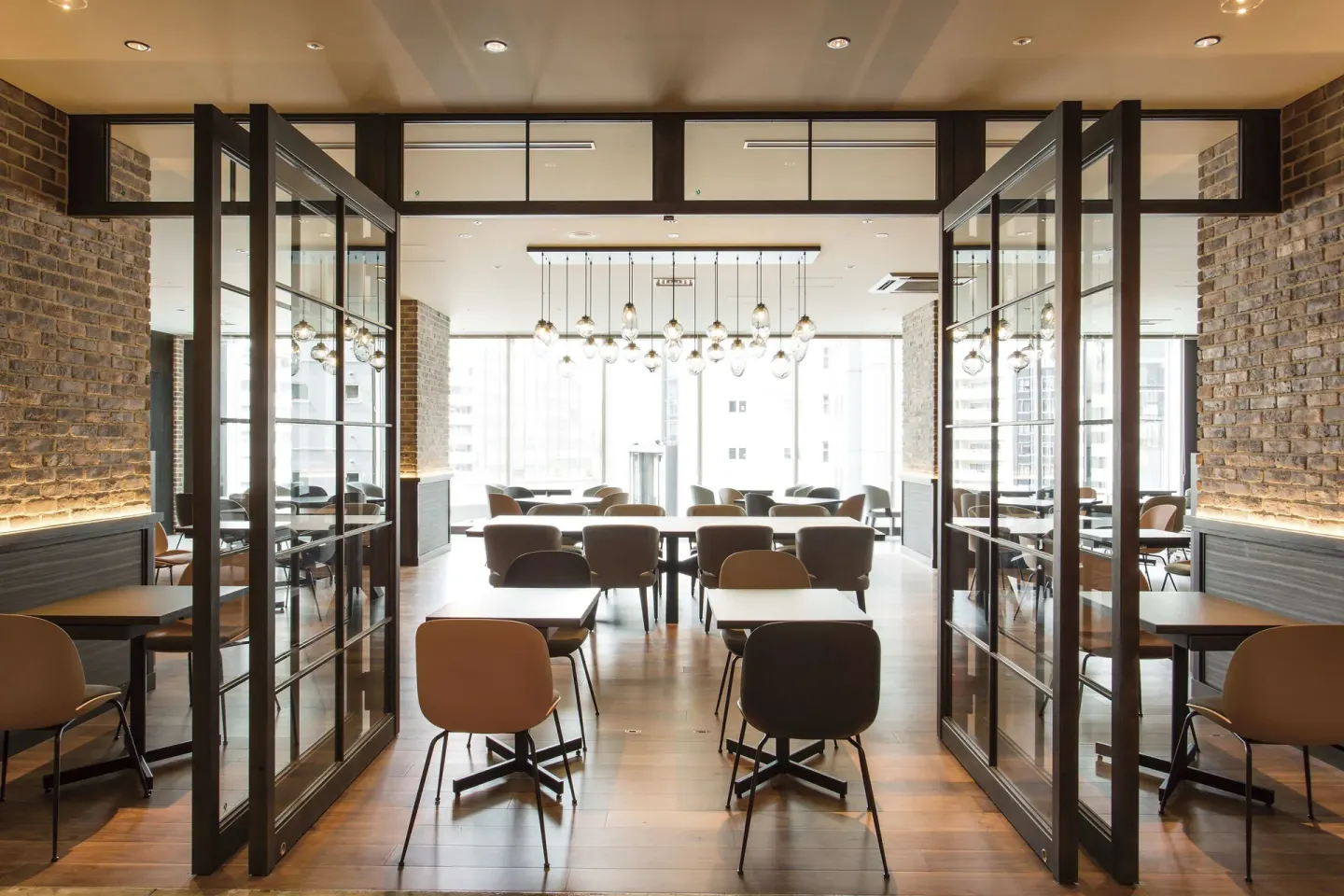
If you prefer outdoor exploration and shopping without the highest visitor numbers, May is a reliable window. Hotel facilities such as Bar & Dining TORRENT run normal hours for breakfast, lunch and dinner.
- Weather: warm, comfortable
- Crowds: moderate — good balance of weather and availability
- Recommended for: longer daytime walks and city exploration
| Hotel services | Usual availability |
|---|---|
| TORRENT breakfast | Daily buffet (surcharge) |
| Fitness centre | Open 24 hours, free for guests |
| Shibuya access | Direct sheltered walkway to Shibuya Station |
June–mid July: Rainy season (Tsuyu) — wet and humid
Tokyo’s rainy season typically runs from early June to mid-July, bringing frequent rain and higher humidity. June is often notably wet, so plan indoor options or pack rain gear and quick-drying clothing.
Crowds can be lower at outdoor attractions, but popular indoor venues and restaurants may feel busier. The hotel’s sheltered access to Shibuya Station helps reduce time spent in rain when traveling around the city.
- Weather: frequent rain and high humidity
- Crowds: variable — outdoor spots quieter, indoor venues busier
- Packing tip: a small umbrella and water-resistant shoes help
| Travel impact | Advice |
|---|---|
| Frequent rain | Use sheltered walkways; plan indoor activities |
| Higher humidity | Light, breathable clothing recommended |
| Hotel convenience | Direct connection to Shibuya Station reduces exposure to rain |
August: Summer heat — hot, humid, steady city energy
August is typically hot and humid in Tokyo; while the dossier notes rainy season ends earlier, summer heat can still be intense. Many businesses and attractions remain open, and the Shibuya area stays lively.
Crowds vary depending on domestic travel patterns; some parts of the city may be crowded during holiday periods. Take advantage of the hotel’s 24-hour fitness center and indoor dining at TORRENT if you prefer to avoid midday heat.
- Weather: hot and humid
- Crowds: can be steady to high during holiday windows
- Hotel amenities: indoor dining and air-conditioned public areas provide relief
| When to go in the day | Why |
|---|---|
| Morning | Cooler for walking and photos |
| Midday | Use indoor attractions or dine at TORRENT |
| Evening | City lights and nightlife around Shibuya |
September–November: Typhoon risk to autumn foliage — best overall in Oct–Nov
September can bring typhoon risk and unsettled weather; travelers who want to avoid storm chances may prefer to wait until late September or October. By late October into November, Tokyo typically has mild, comfortable weather with lower humidity.
Late October and November are widely considered some of the best months to visit Tokyo for comfortable temperatures and autumn colors. Expect more pleasant walking conditions and generally lower humidity than summer months.
- September: higher storm risk (typhoon season) — check forecasts
- October–November: mild temperatures, autumn foliage, favorable sightseeing conditions
- November often has some of Tokyo’s clearest, most comfortable weather
| Month | What to expect |
|---|---|
| September | Typhoon season — variable weather |
| October | Cooling temperatures, drier air |
| November | Peak autumn foliage and comfortable days |
December: Holiday lights and quieter pockets
December brings cooler weather and seasonal illuminations around Tokyo; some areas see increased foot traffic around major holiday displays. Overall, visitor numbers are mixed — some busy spots for lights and shopping, quieter elsewhere.
If you prefer fewer crowds at daytime attractions, December's lower general travel season can help, but plan for spotlighted evenings around popular illumination displays.
- Weather: cool and dry
- Crowds: mixed — higher around holiday displays, quieter daytime sightseeing
- Hotel note: check TORRENT hours and plan reservations for popular dining times
| What to expect | Tip |
|---|---|
| Evening illuminations | Book later-evening plans in advance |
| Cool daytime weather | Layered clothing works well |
| Mixed crowds | Aim for weekday daytime visits |